Know who leads your care.
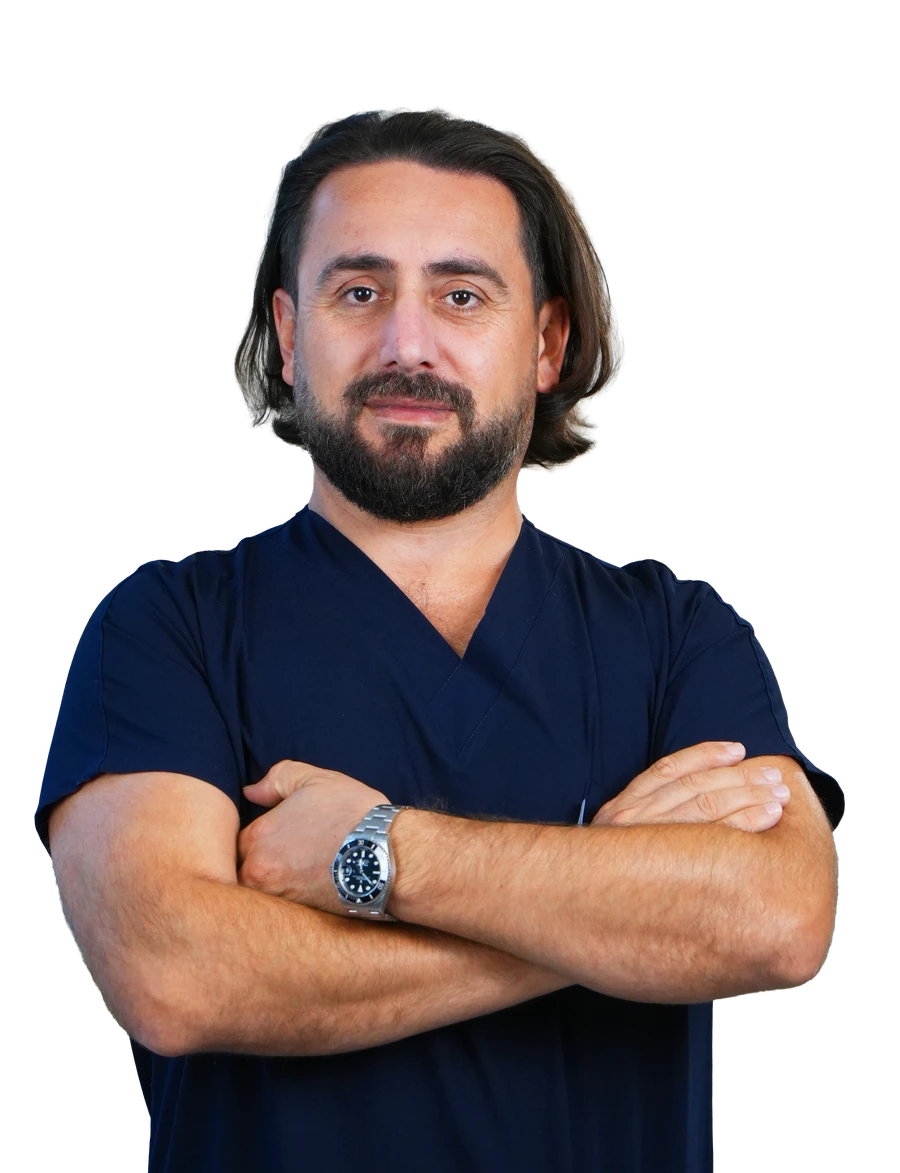
İbrahim leads the transplantation process with his team. Your consultation is an opportunity to understand his approach and each team member’s role.
Meet your specialist ↗
İbrahim Koç · Hair transplantation · Istanbul
A hairline considered around your face. A plan that respects your donor area. Care led by a specialist you know by name.
Free initial assessment. No obligation to book.
A name behind your treatment
Hair restoration starts with more than a technique. It starts with understanding the hair you have, the change you want and what can be planned responsibly.
İbrahim leads the transplantation process with his team. Your consultation is an opportunity to understand his approach and each team member’s role.
Meet your specialist ↗Your facial proportions, existing hair and donor reserve shape the conversation. The aim is a considered result that fits your appearance.
Explore hairline planning ↗Know what happens after you travel home, how follow-up is organised and what the written guarantee actually covers.
Guarantee and aftercare ↗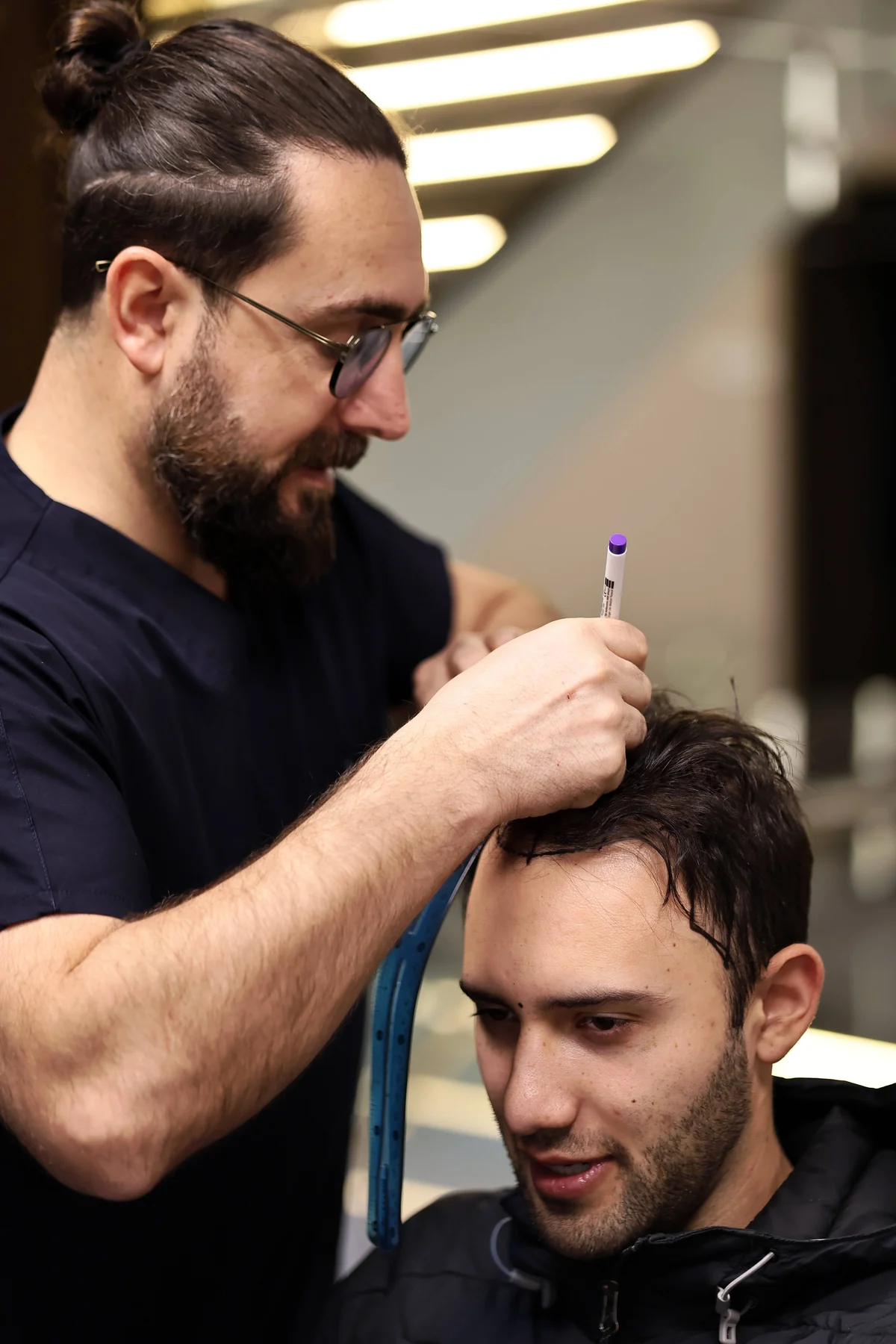
A conversation before a procedure
Your in-person assessment is a moment to ask questions, discuss your hairline and understand the plan. İbrahim works with you to consider the shape and coverage before treatment begins.
How your hairline is planned ↗Confidence comes from clarity
Eligible procedures booked through this coordinated care pathway may include an approved supplementary treatment without a procedure fee. Understand what is covered before you book.
Read the guarantee and its conditions ↗The method follows the plan
DHI, FUE and Long DHI describe aspects of a procedure. Your assessment explains what each means for your hair, priorities and donor area.
Placement with an implanter, guided by your agreed hairline and distribution plan.
Explore DHI ↗Individual graft collection, with careful attention to the donor hair that remains.
Understand FUE ↗For selected patients, the recipient area can remain unshaven. Donor preparation is assessed separately.
Explore Long DHI ↗Selected patient results
Four selected before-and-after comparisons from our patient gallery. Open a comparison to see the detail.
Selected examples. Individual results vary. Lighting, angles, hair length and styling differ between photographs.
View all 20 comparisonsInside the Istanbul centre
Take a closer look at the reception, consultation spaces and interiors where your visit begins.
From anywhere to Istanbul
Your coordinator helps organise your journey. The treating team assesses your case and makes clinical decisions.
Share your details and seven photos. Your coordinator explains the assessment and next steps.
Understand your options, written arrangements and care conditions before committing.
Meet the team, confirm the treatment plan and receive personal care instructions.
Stay connected through scheduled photographs and up to 18 months of coordination.
Before you decide
You do not need to choose a technique or commit to travel to start a conversation.
Suitable candidates need healthy donor hair, usually at the back and sides of the scalp. Hair characteristics and the extent of loss affect what can be achieved. Transplantation uses your existing hair, so discuss realistic expectations: a fuller appearance may be possible without restoring your original density.
Transplanted follicles can continue growing for the long term when taken from a suitable donor area. That does not mean every hair on your head will remain unchanged. Donor selection and the possibility of further thinning should be discussed as part of your long-term hairline plan.
Growth is gradual. Transplanted hairs usually start growing after around three to four months; assessing the appearance takes longer, and improvement can continue for up to 18 months. Your timeline can vary. Use scheduled reviews rather than one early photograph to judge progress. See the recovery guide.
Yes. Some grafts may not grow, and the final appearance can differ from what you expected. Healing and continued hair loss also affect the outcome. Ask about your individual risks and the review process. The written guarantee has conditions and does not remove medical uncertainty.
Sometimes, but ask which area would remain unshaven. Donor preparation and recipient preparation are separate decisions, and there are several ways to manage hair length. Suitability depends on the planned procedure. Our Long DHI page explains the distinction before you discuss your preferred hairstyle with the team.
Alopecia means hair loss; it is not one diagnosis. Pattern hair loss, temporary shedding and inflammatory conditions need different assessments. A transplant may be an option for some people with pattern hair loss, while others need treatment of the underlying cause. Explore hair loss treatment options before choosing surgery.
Ask who will perform the procedure, what qualifications and experience they have, why the proposed method suits you and how complications are managed. Request a clear follow-up plan before travelling. Use the same questions for each provider so you can compare the care being proposed.
No. Start with your concern and the change you hope to achieve. Different causes of hair loss call for different approaches, and surgery is only one option. The free consultation starts a discussion about assessment and next steps; you do not need to select DHI or FUE first.
Free initial consultation. Your questions, your priorities, your decision.