
Koç Hair Center offers beard and eyebrow transplantation in Istanbul, subject to individual assessment. The aim may be to address a sparse area or reshape an outline. The clinical team first needs to establish whether transplantation is appropriate and what your donor hair can support.
Eyebrows: shape and direction matter.
Eyebrow restoration involves more than filling a gap. The outline, hair texture and direction of placement all influence how the brow sits within your face. Donor selection should consider the characteristics of your existing eyebrows, as well as the proposed shape.
The cause of eyebrow loss also matters. Previous plucking, injury and medical conditions require different assessments. An active underlying condition may need attention before surgery is considered. Transplanted scalp hairs may need ongoing trimming and grooming; this should be part of the discussion before you decide.
Beards: plan the whole face.
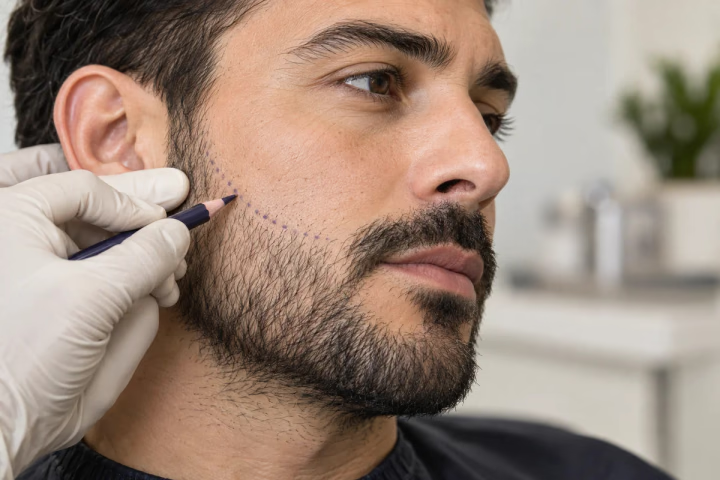
A beard plan can involve the cheeks, chin, sideburns or moustache. Existing growth, hair thickness, intended boundaries and available donor supply influence the achievable coverage. A design should be discussed in relation to how you normally wear your facial hair.
Using scalp hair for facial restoration also draws on a limited donor resource. If you have scalp thinning or may want a scalp transplant later, raise that at the same consultation. Some patients may need more than one procedure to approach their intended coverage.
Understand healing and limitations.
Facial transplantation is a surgical procedure. Risks include infection, scarring, uneven growth and an appearance that differs from expectations. Beard transplantation can also cause skin bumps or changes in pigmentation. Ask how the team assesses these risks in your case and manages a concern after you return home.
Growth develops gradually, and aftercare depends on the treated area. Request individual guidance on washing, grooming, shaving and returning to usual activities. A scalp aftercare timetable should not automatically be applied to an eyebrow or beard procedure.
Bring your priorities to the consultation.
Explain whether your concern is a specific gap, an outline or overall coverage. Ask to see relevant documented examples and understand who will perform each stage. A free initial enquiry starts the discussion; suitability and the final plan require clinical assessment.
Your questions, answered.
Can everyone with sparse eyebrows have a transplant?
No. The cause of the loss, the condition of the skin and suitable donor hair need assessment first. Previous plucking, injury and an active medical condition require different discussions; treating the underlying problem may come before considering transplantation.
Where does the donor hair for a beard transplant come from?
Scalp hair is a common donor source; suitable hair beneath the jaw may sometimes be considered. The team assesses texture, thickness and available supply. Taking scalp grafts for the beard also reduces the resource available for possible future scalp restoration.
Will I need to trim my transplanted eyebrows?
Often, yes. Hair moved from the scalp can continue growing longer than natural eyebrow hair, so ongoing trimming or styling may be needed. Discuss that maintenance before treatment and follow the team’s advice about when grooming can begin.
What helps transplanted eyebrows look natural?
The result depends on more than the number of hairs. Donor characteristics, the angle and direction of placement, the outline and the condition of the skin all matter. Ask to review the proposed shape and relevant documented examples before deciding.
Can a beard transplant leave scars?
Yes. Harvesting and implantation involve small skin wounds, and visible scarring can occur. Healing, technique and your skin characteristics influence the result. Ask about both the donor and facial areas, particularly if you prefer wearing your beard very short.
When can I shave after a beard transplant?
Ask the treating team for a timetable matched to your healing and the instrument you use. Newly implanted grafts need protection from pressure and friction. Do not treat a general scalp-transplant schedule as permission to shave the treated facial area.
How long does a beard transplant take to show its result?
Growth develops over months and early transplanted hairs may shed before growing again. The ISHRS describes overall beard-graft growth being assessed around 10–14 months. Your progress and any further treatment need individual review; an early photograph is not a final outcome.
What is the difference between an eyebrow transplant and microblading?
A transplant moves living hair follicles into the eyebrow area. Microblading places pigment in the skin to create the appearance of hairs. They involve different maintenance, risks and assessment, so explain whether you want growing hair or a cosmetic outline.